
Cosmetic Ingredients: Emollients
Emollients and their Benefits
EMOLLIENTS
1/27/20261 min read
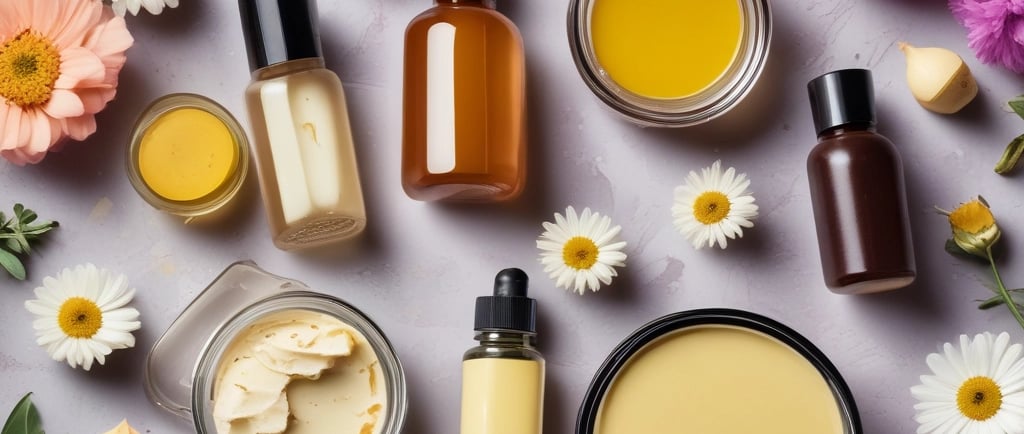
Emollients
Cosmetic emollients are oily substances that soften and smooth the skin by filling the microscopic gaps between skin cells (corneocytes). They improve skin texture, enhance flexibility, and reinforce the skin barrier to reduce transepidermal water loss (TEWL).
1. Categories of Emollients
Emollients are primarily classified by their chemical structure and origin:
Hydrocarbons: These are generally chemically inert and resistant to oxidation.
Mineral Oil & Petrolatum: Highly effective occlusives that create a powerful physical barrier to lock in moisture.
Squalane: A stable, lightweight hydrocarbon derived from plants (like olives) or sharks that mimics natural skin oils.
Natural Oils and Butters: Rich in fatty acids and antioxidants, these provide deep nourishment and lipid replenishment.
Examples: Shea butter, cocoa butter, jojoba oil, coconut oil, and avocado oil.
Esters: Created by combining a fatty acid with an alcohol. They are popular for their versatile textures and quick absorption.
Examples: Isopropyl myristate, caprylic/capric triglyceride, and glyceryl stearate.
Silicones: Synthetic ingredients that provide a silky, non-greasy "slip" and elegant finish.
Examples: Dimethicone and cyclomethicone.
Fatty Alcohols: Used to stabilize formulas and provide a creamy consistency while softening the skin.
Examples: Cetyl alcohol and stearyl alcohol.
2. Key Functions
Softening & Smoothing: They fill cracks in the stratum corneum (outer skin layer) to eliminate roughness and scaling.
Barrier Support: By reinforcing the lipid matrix, they help the skin retain its existing hydration.
Sensory Enhancement: They determine the "skin feel" of a product, including its spreadability, absorption speed, and after-feel (e.g., matte vs. glossy).
3. Choosing an Emollient
Selection often depends on the desired end-product texture:
Lotions: Use high-water, low-oil ratios with lightweight emollients for easy spreading.
Creams: Feature a higher oil-to-water ratio for deeper hydration of dry or sensitive skin.
Ointments: Are thick and greasy, containing high concentrations of oils (like petrolatum) for severely dry or damaged skin.
4. Emollients vs. Moisturizers
While often used interchangeably, they are technically different: an emollient is an ingredient that softens skin, whereas a moisturizer is a finished product that usually contains emollients along with humectants (which draw water into the skin) and occlusives (which seal moisture in).
Contacts
📱/📞: +1 (437) 460-1968
Subscribe to our newsletter
📧: sales@skincareclue.com