Cosmetic Ingredients: Humectants
Description and Benefits
HUMECTANTS
1/27/20262 min read
Humectants
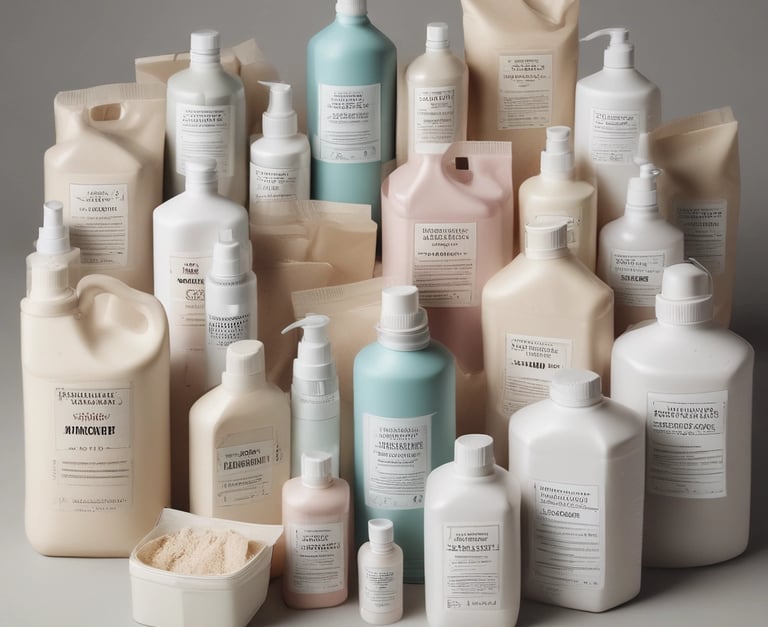
In cosmetics, a humectant is a water-loving (hydrophilic) ingredient that attracts and retains moisture. Unlike emollients that soften skin or occlusives that seal it, humectants act like "magnets" or "sponges," pulling water from the surrounding air (in high humidity) or from the skin's deeper layers (dermis) to the surface (epidermis).
How They Work
Hygroscopy: Humectants have molecular structures with multiple hydrophilic groups (like hydroxyl or amine groups) that form hydrogen bonds with water molecules.
Replacement Mechanism: Modern science suggests humectants don't just hold water; they can replace it in the skin's structure, prying open keratin fibers to keep skin pliable even in dry conditions.
Depth of Action: They increase the water content of the stratum corneum (outermost skin layer), which temporarily plumps the skin and reduces the appearance of fine lines.
Common Cosmetic Humectants
Glycerin: The "gold standard" and most common humectant; it is cost-effective, non-irritating, and found in about 50% of moisturizers.
Hyaluronic Acid (HA): A powerhouse capable of holding up to 1,000 times its weight in water.
Urea: A natural component of the skin's Natural Moisturizing Factor (NMF) that also has mild exfoliating (keratolytic) properties.
Alpha-Hydroxy Acids (AHAs): Ingredients like lactic and glycolic acid act as humectants while also promoting cell turnover.
Natural Sources: Honey, aloe vera, and seaweed extracts are frequently used for their gentle, nutrient-rich humectant properties.
Glycols: Such as propylene glycol and butylene glycol, which also help improve product spreadability and preservative efficacy.
Key Benefits
Hydration: Directly increases skin water levels, making it feel soft and smooth.
Anti-Aging: Plumps the top layer of skin to minimize fine lines and wrinkles.
Barrier Support: Helps maintain the integrity of the skin's natural moisture barrier.
Product Stability: Prevents cosmetic products like creams or toothpastes from drying out or cracking in their packaging.
Important Considerations
Climate Caution: In very dry or low-humidity environments, humectants can pull too much water from deep within the skin. Without a sealing layer, this moisture evaporates into the air, potentially worsening dryness.
The "Moisture Sandwich": To prevent water loss, it is highly recommended to pair humectants with occlusives (like petrolatum or oils) that lock the attracted moisture into the skin.
Application: Humectants are most effective when applied to damp skin after washing, providing them with an immediate reservoir of water to bind.
Contacts
📱/📞: +1 (437) 460-1968
Subscribe to our newsletter
📧: sales@skincareclue.com